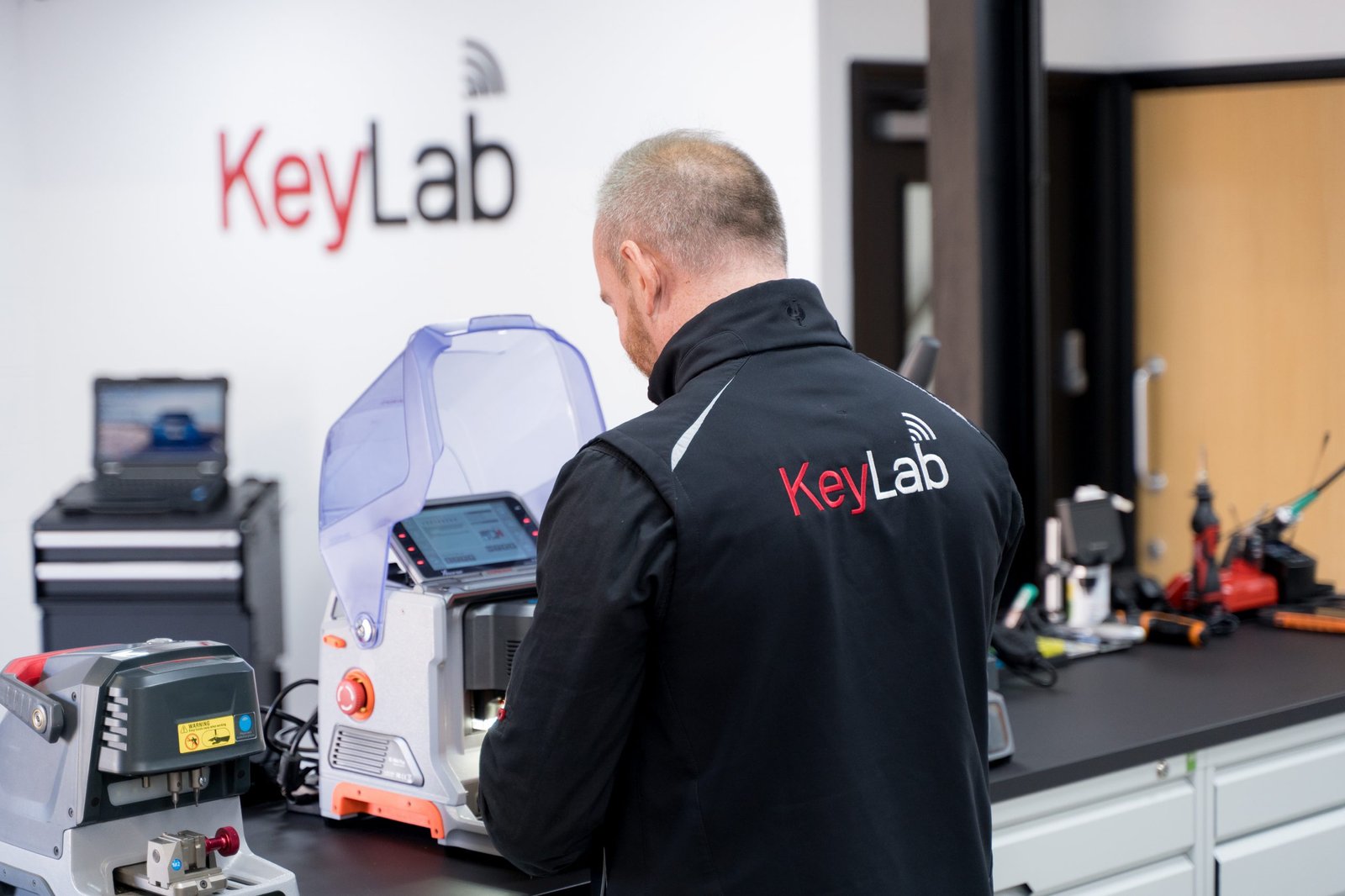
A An Overview Of Car Replacement Key From Start To Finish
How To Get A Car Replacement Key: A Comprehensive Guide
Losing or damaging your car key can be a discouraging experience, frequently leading to hassle and prospective safety concerns. Nevertheless, getting a replacement key doesn't have to be an overwhelming job. This guide explores the various options offered, outlining the actions you require to follow to obtain a new key for your vehicle.
Understanding Your Key Type
Before looking for a replacement, it's essential to recognize the kind of key your car uses. Key types typically fall under the following categories:
- Traditional Metal Keys: These are basic keys with no electronic elements.
- Transponder Keys: These include a chip that interacts with the car's ignition system.
- Smart Keys: Also known as keyless entry keys, they typically enable proximity starting and unlock the doors immediately.
- Key Fobs: Remote control devices that include various functionalities, such as alarm systems and trunk releases.
Table 1: Key Type Comparison
Key Type
Description
Replacement Cost Range
Replacement Difficulty Level
Traditional Metal
Fundamental metal key without electronic features
₤ 10-₤ 30
Easy
Transponder
Key with an embedded chip
₤ 30-₤ 150
Moderate
Smart Key
Keyless entry with additional functions
₤ 200-₤ 500
Difficult
Key Fob
Remote key for locking/unlocking and starting the car
₤ 50-₤ 400
Moderate to Difficult
Steps to Get a Replacement Car Key
Acquiring a replacement key involves numerous actions, which can differ based on the key type and your particular circumstances.
Action 1: Locate Your Vehicle Identification Number (VIN)
Your VIN is important for key replacement and helps verify ownership. It can generally be discovered in numerous locations:
- On your car's control panel, visible through the windscreen.
- On the motorist's side door jamb.
- In your vehicle registration and insurance coverage documents.
Action 2: Identify the Key Type
Identify whether your key is a conventional key, transponder key, or wise key. This identification will help you in selecting the appropriate replacement technique.
Action 3: Choose a Replacement Method
There are several options for replacing a lost key:
Option 1: Contact the Dealership
- Won't deal with the issue directly but facilitates the key retrieval process.
- Libraries should provide VIN and proof of ownership.
- Can be the most pricey choice.
Option 2: Use a Locksmith
- Frequently less expensive than dealerships.
- Try to find locksmith professionals that concentrate on automobile keys.
- Guarantee they have the required devices and know-how for intricate key types.
Choice 3: Purchase a Replacement Key Online
- Several websites sell replacement keys, particularly for standard keys.
- Buyer should validate compatibility with their vehicle model.
- Riskier than other choices; make sure to inspect customer reviews.
Step 4: Program Your Key
For transponder and smart keys, programs is typically essential. This can often be done by:
- The dealership, which will ensure your brand-new key syncs with your vehicle.
- A specialized locksmith professional who can configure keys on-site.
- Following online tutorials or guides, if try out DIY methods.
Step 5: Test the New Key
Lastly, when you obtain and program the new key, it's vital to check it thoroughly. Verify that it can open the doors, begin the engine, and carry out any other functions associated with the original key.
Frequently asked questions
1. Just how much does it generally cost to replace a car key?
The cost usually varies from ₤ 10 for simple conventional keys to upwards of ₤ 500 for clever keys. Lost Car Key Replacement influencing the cost include key type, setting needs, and where you select to get the replacement.
2. Can I replace my key myself?
While it is possible to replace conventional keys yourself, transponder and wise keys often need specialized understanding and equipment, making it suggested to look for professional assistance.
3. What should I do if I lose all my keys?
If you lose all keys to your vehicle, it's best to contact a dealer or a locksmith. They may recommend reprogramming or replacing the locks in addition to producing a new key.
4. Is Replacement Key For Car Near Me to provide evidence of ownership?
Yes, proof of ownership is typically required when obtaining a replacement key, specifically through a car dealership or locksmith professional.
5. For how long does it take to get a replacement key?
The timeline can vary commonly based upon the technique you choose. Dealers can take a number of days, while locksmith professionals might provide a key on the area.
Last Thoughts
Losing a car key is a hassle that numerous vehicle owners face at some time. Comprehending your choices and the actions included can significantly ease the tension of obtaining a replacement. Whether you decide for a car dealership, a locksmith, or an online purchase, understanding your key type and adhering to these standards will assist guarantee you return on the road with minimal downtime. Always remember to have a spare key made to prevent future hassles.